
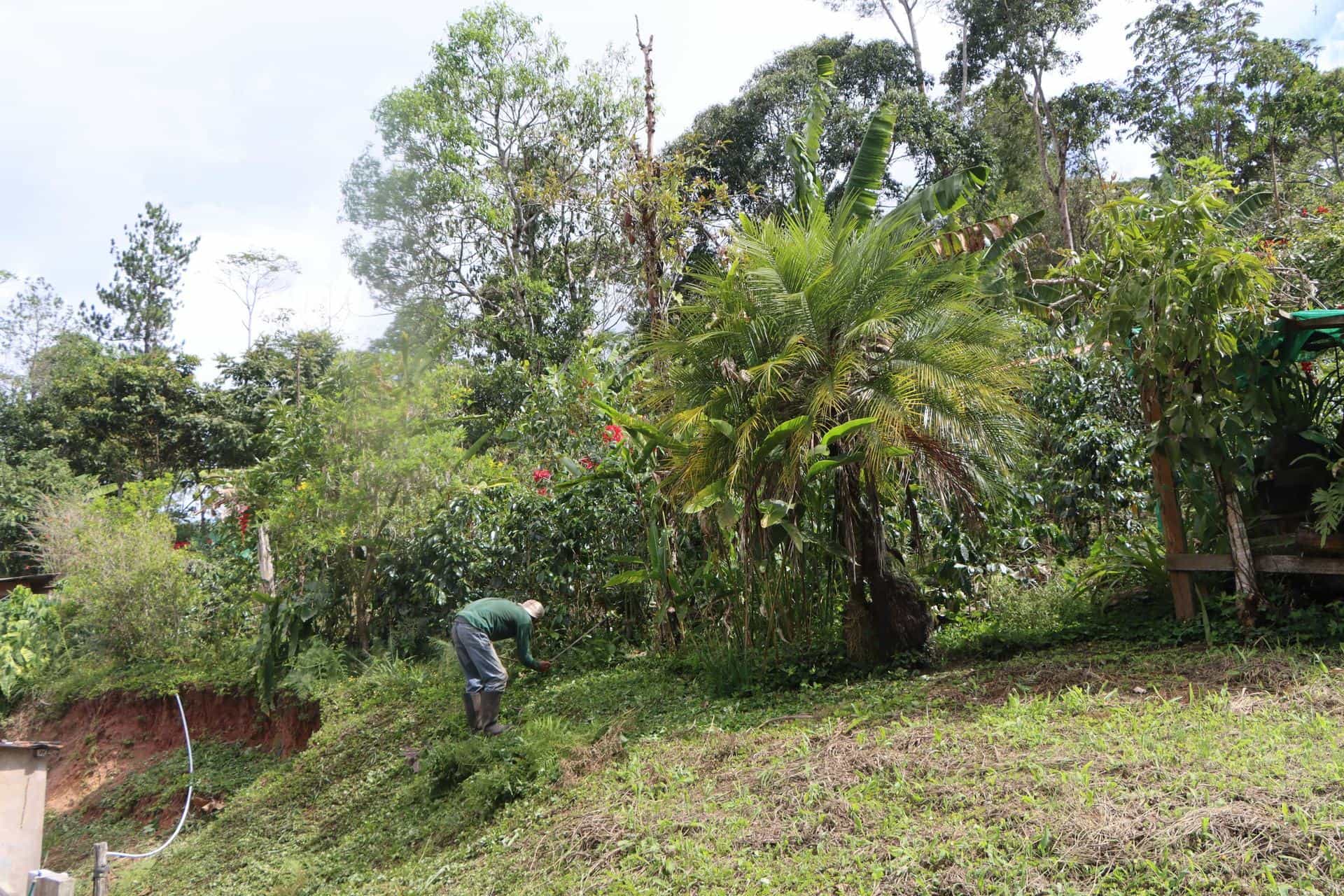
 Foto: Danitza Medina Velásquez · CC BY-SA 4.0
Importer Journal · Responsible sourcing
Sustainable Coffee Without a Label: What We Can Prove
A label certifies a standard; documents prove a lot. Flor de Altura holds no certification seal of its own today, so with each lot we hand over the evidence instead: where it was grown, who grew it and how they were paid, the farm practices and the origin cupping sheet. We also say plainly what we cannot claim yet, starting with organic.
By Enrique Hans Barraza Mohring · Flor de Altura ·
Why adjectives are no longer enough
Words like “eco-friendly” or “sustainable” on a coffee bag are under scrutiny. In the European Union, Directive (EU) 2024/825 bans generic environmental claims to consumers that cannot be substantiated, from 27 September 2026. In the United States, the FTC Green Guides ask for the same thing: an environmental claim needs evidence behind it.
That pressure travels upstream. A roaster who wants to tell an origin story on the bag needs data from the importer, and the importer needs it from the exporter. That is the part we can supply.
What a seal certifies, and what it doesn't
A certification seal means a third party audited a standard. It is valuable, but its scope matters: a certificate can cover the farm and not the exporter, or one lot and not the next. Before you rely on a seal, ask who holds the certificate and what exactly it covers.
What we can prove today
For every lot, each claim below comes with the document or the data behind it, on request:
| Claim | Evidence, on request |
|---|---|
| Where it was grown | Plot geolocation as GeoJSON and certificate of origin (EUDR-ready) |
| Who grew it | The grower or the origin organisation, named on each lot |
| How growers were paid | Direct payment, no middlemen, at a premium over the market price |
| How the land is farmed | Agroecological cooperatives and associations that care for shade, soil and water |
| Quality | Dated origin cupping sheet, moisture and defects of each lot |
| Handling | From the dry mill straight into the container, no intermediate handling |
What we can't claim yet
Organic. The farm behind Lot 1, Rosa Mateo's in Perené, is certified organic at origin and uses no synthetic fertilizers or pesticides. Flor de Altura, however, is not yet certified as an exporter; that certification is planned for 2027. Since March 2024 the USDA Strengthening Organic Enforcement rule requires the exporter to be certified as well, and EU Regulation 2018/848 sets the same condition for entering Europe. Until then this coffee cannot be sold as organic in the United States or the European Union, and we do not offer it as such.
Fairtrade or Rainforest Alliance. We hold neither. If your market requires one of them, tell us before we quote.
For the importer
Ask any supplier, us included, for the document behind each claim: the geolocation file, the cupping sheet, the certificate number and its holder. If there is no document, it is not data. It is an adjective.
Frequently asked questions
Is Flor de Altura's green coffee certified organic?
Not as an export. The farm behind Lot 1 is certified organic at origin and uses no synthetic fertilizers or pesticides, but Flor de Altura is not yet certified as an exporter; that is planned for 2027. Until then the coffee cannot be sold as organic in the US or the EU, and we do not offer it as such.
What sustainability evidence comes with a lot?
On request: plot geolocation as GeoJSON with the certificate of origin, the grower or origin organisation, how growers were paid, the farm practices and the dated origin cupping sheet of the lot.
Cup it before you commit
Tell us your volume, destination port and target profile. We send cupping samples before any contract and reply within one business day.
FLOR DE ALTURA S.A.C. · RUC 20614458411 · Pichanaqui, Chanchamayo, Junín – Peru